
The Role of the Craniocervical Junction in Neurological and Neurodegenerative Conditions
A research article by Dr. Michael Flanagan
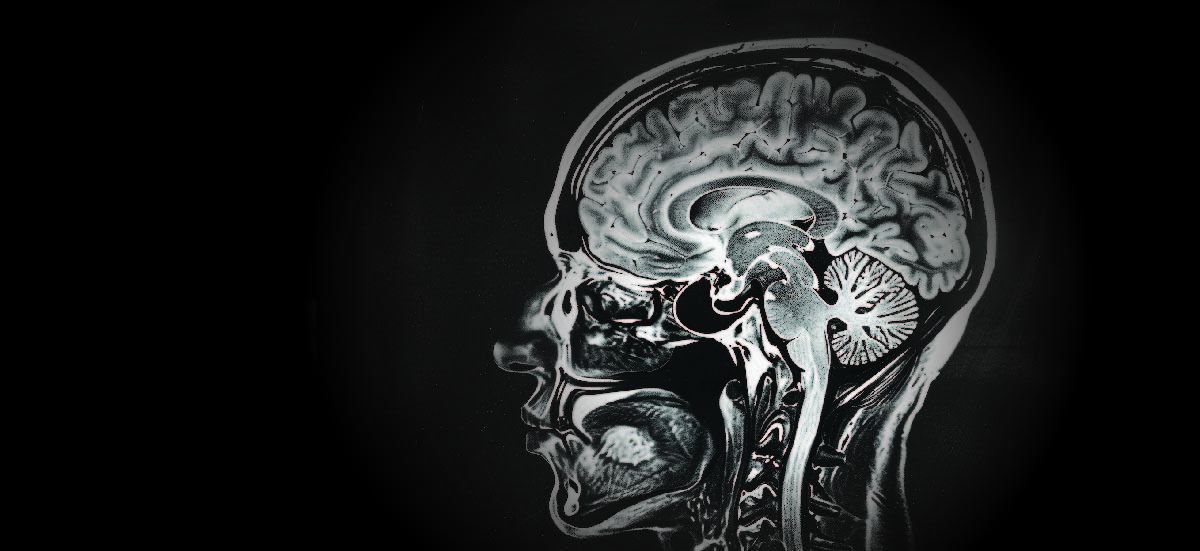
In his pivotal paper, The Role of the Craniocervical Junction in Craniospinal Hydrodynamics and Neurodegenerative Conditions, Dr. Michael Flanagan explores the critical impact of the craniocervical junction (CCJ) on craniospinal hydrodynamics and its potential role in the development of neurodegenerative diseases such as Alzheimer’s, Parkinson’s, and multiple sclerosis. Dr. Flanagan, a renowned chiropractic neurologist and author of The Downside of Upright Posture, delves into the anatomical and physiological complexities of the CCJ and how malformations or misalignments in this region can disrupt cerebrospinal fluid (CSF) flow and blood dynamics, leading to significant neurological consequences.
This article underscores the CCJ’s role as a “choke point” for blood and CSF flow between the brain and spinal canal. Disruptions at this junction can lead to reduced blood flow to the brain (chronic ischemia), oxidative damage to nerve tissues inside the brain (oxidative stress), and a slowing of blood flow exiting the brain (venous congestion). As Dr. Flanagan emphasizes, understanding and addressing CCJ-related dysfunctions may provide new avenues for prevention and treatment.
Structural Challenges at the Craniocervical Junction
The CCJ, which includes the atlas (C1), axis (C2), and surrounding tissues, is central to maintaining healthy craniospinal hydrodynamics. However, structural anomalies such as Chiari malformations, basilar invagination, or ligament laxity can obstruct blood and CSF flow, creating pathological pressure gradients. These disruptions can exacerbate symptoms of neurological conditions, particularly in upright posture, which places additional strain on the CCJ.
As Dr. Flanagan notes, upright posture and motion of the cervical spine compound the strains and deformation of the blood and CSF pathways of the CCJ, which is why individuals with structural challenges in this area often experience debilitating symptoms like dizziness, brain fog, and chronic pain.
Impacts on Brain Health and Neurodegeneration
The consequences of CCJ misalignments extend beyond mechanical dysfunctions. Faulty craniospinal hydrodynamics can lead to reduced CSF turnover, impairing the brain’s glymphatic system, which is responsible for clearing metabolic waste and toxins. As Dr. Flanagan explains, this sluggish flow may contribute to the buildup of neurotoxic substances such as beta-amyloid and tau proteins, hallmarks of Alzheimer’s disease.
Additionally, venous insufficiency caused by CCJ blockages can lead to hydrocephalus—commonly known as “water on the brain”—a condition marked by excessive CSF accumulation, and related complications such as ventriculomegaly. Chronic ischemia, oxidative stress, and brain atrophy often follow, exacerbating the progression of neurodegenerative diseases.
Diagnostic and Therapeutic Insights
Advanced diagnostic tools such as upright MRI and cine MRI provide crucial insights into CCJ alignment and craniospinal hydrodynamics, helping clinicians identify structural anomalies and guide appropriate interventions. Both manual therapies, like upper cervical chiropractic care, and surgical interventions can play a role in restoring proper flow dynamics and alleviating symptoms.
Dr. Flanagan’s work highlights the importance of these interventions, noting that manipulation of blood and CSF flow may help to restore or improve faulty craniospinal hydrodynamics in certain cases and decrease the prevalence, progression, and severity of neurodegenerative conditions.
Read the Full Article
For the complete methods, findings, and clinical detail, we encourage you to read the original publication. Access the full article here.
How We Help
At Cerebral in St. Petersburg, FL, we specialize in addressing the complex issues associated with the craniocervical junction through upper cervical chiropractic care. Our work focuses on restoring the alignment and integrity of the CCJ to optimize cerebrospinal fluid dynamics, improve brain health, and alleviate symptoms of debilitating conditions.
Whether you’re experiencing migraines, balance issues, or symptoms of a neurodegenerative disease, a consultation with one of our expert doctors can help determine if you are a candidate for care. Consultations are available both in person and virtually via Zoom. Contact us to schedule your appointment and take the first step toward improved neurological health.